Refrigerant Supplier
Shandong Do Sender Chemicals Co.,Ltd.
Refrigerant Supplier
Shandong Do Sender Chemicals Co.,Ltd.
What Are Refrigerants?
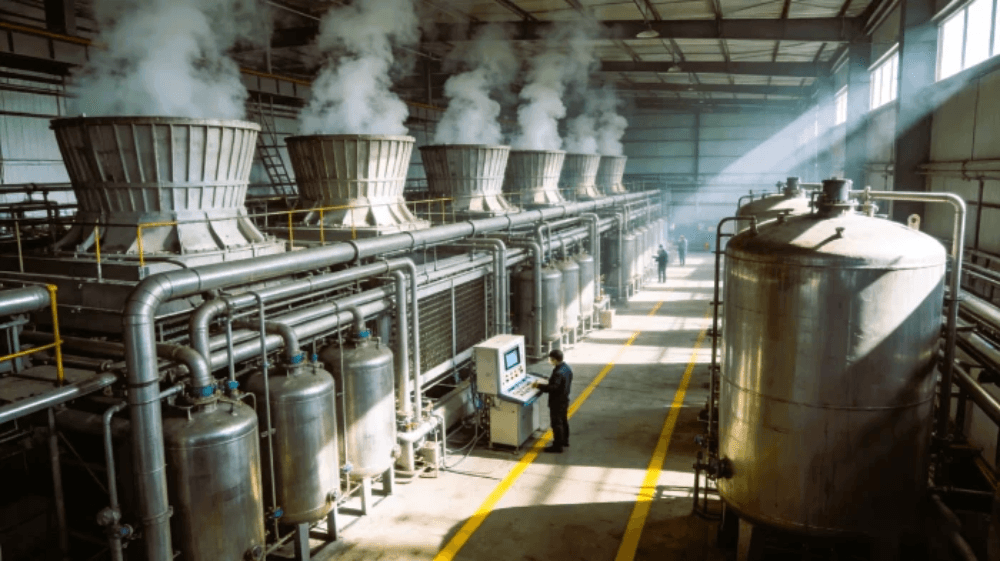
Key Principle: Refrigerants work based on the physical principle that liquids absorb heat when they vaporize and release heat when they condense. This phase-change cycle enables efficient heat transfer in heating, ventilation, air conditioning, and refrigeration (HVAC&R) systems.
Refrigerants are working fluids used in refrigeration cycles, air conditioning systems, and heat pumps. These substances undergo repeated phase transitions from liquid to gas and back again, enabling them to absorb heat from one area and release it in another.
The ideal refrigerant has specific thermodynamic properties including appropriate boiling point, high latent heat of vaporization, chemical stability, non-flammability, non-toxicity, and environmental compatibility. Historically, refrigerants have evolved from natural compounds to synthetic chemicals and back to natural alternatives due to environmental concerns.
Historical Development of Refrigerants
The development of refrigerants has progressed through four distinct generations
First Generation (1830s-1930s)
Natural refrigerants like ammonia, carbon dioxide, sulfur dioxide, and hydrocarbons
Second Generation (1930s-1990s)
Chlorofluorocarbons (CFCs) and hydrochlorofluorocarbons (HCFCs) like R-12 and R-22
Third Generation (1990s-2010s)
Hydrofluorocarbons (HFCs) like R-134a and R-410A
Fourth Generation (2010s-Present)
Low-GWP alternatives including HFOs, natural refrigerants, and blends
Our Product
Second Generation
Third Generation
Blended Refrigerant
Fourth Generation
R22
R23
R32
R404A
R407C
R1234YF
HFC-134A
R143A
R410A
R507A
HFC-125
R152A
Refrigerant Types and Properties
Modern refrigerants are classified based on their chemical composition, environmental impact, and applications. Understanding these classifications is essential for system design, regulatory compliance, and environmental stewardship.
Hydrofluorocarbons (HFCs)
Hydrofluoroolefins (HFOs)
Natural Refrigerants
Blended refrigerants
Key Environmental Metrics
About Refrigerants
Technical FAQ
What is a refrigerant and how does it work in cooling systems?
A refrigerant is a chemical compound that absorbs and releases heat as it circulates through refrigeration and air conditioning systems. It works through phase changes between liquid and vapor states, absorbing heat from the environment when evaporating (in the evaporator) and releasing heat when condensing (in the condenser). This thermodynamic cycle, typically following the vapor-compression principle, enables the transfer of heat from indoors to outdoors in cooling applications.
What is the Kigali Amendment and how does it affect refrigerant usage?
The Kigali Amendment to the Montreal Protocol is an international agreement adopted in 2016 to phase down hydrofluorocarbon (HFC) refrigerants due to their high global warming potential. Ratified by over 120 countries, it mandates an 80-85% reduction in HFC consumption by 2047, driving the transition to low-GWP alternatives like HFOs and natural refrigerants. The amendment has significant implications for HVAC&R manufacturers, contractors, and building owners worldwide, requiring system redesigns and alternative refrigerant adoption.
What are the safety considerations when handling refrigerants?
Refrigerant safety involves multiple considerations:
1) Toxicity: Some refrigerants like ammonia are toxic and require special handling
2) Flammability: Hydrocarbons (R-290, R-600a) and some HFOs are flammable and require system modifications
3) High Pressure: CO₂ (R-744) operates at extremely high pressures requiring specialized equipment
4) Asphyxiation risk: All refrigerants can displace oxygen in confined spaces
5) Environmental release: Regulations prohibit venting of most refrigerants. Proper training, certification (like EPA Section 608 in the US), and personal protective equipment are essential for safe handling
How do I choose the right refrigerant for a specific application?
Selecting the appropriate refrigerant involves evaluating:
1) Application type (residential AC, commercial refrigeration, industrial process cooling),
2) System design and compatibility (compressor type, heat exchanger design, lubricant compatibility),
3) Environmental regulations (local phase-down schedules, GWP limits),
4) Safety requirements (toxicity, flammability considerations),
5) Thermodynamic properties (operating pressures, temperature glide for blends),
6) Cost and availability
7) Future-proofing against regulatory changes. Consulting with HVAC&R engineers and refrigerant specialists is recommended for optimal selection
Contact Us
Feel free to contact me if you have any requirements.

Second Refrigerant
R22
Third Generation
R32
R23
HFC-143A
R134A
HFC-125
R152A
Blended Refrigerant
R404A
R407C
R410A
R507A
Fourth Generation
R1234yf
About
Home
News
Contact
Contact Us
+86 15315229135
wings.fu@
© 2026 Shandong Do Sender Chemicals Co.,Ltd. All rights reserved.
Sales Office Address:No. 66, Zhongrun Avenue, Zhangdian District, Zibo City, Shandong Province,China.
Manufacture Facility: Fine Chemical Industry Park, Zhangdian District, Zibo City, Shandong Province,China.